FD30 or FD60? Choosing fire-rated door sets for an office fit-out
What the ratings actually mean, where each one is required, and how to keep a fire door looking like bespoke joinery rather than a compliance item.
FD30 and FD60 refer to the number of minutes a door set resists fire in a standard test — thirty and sixty respectively. The rating belongs to the whole assembly: leaf, frame, intumescent seals, hinges, closer and latch. Change one component on site and the certification no longer applies.
Where each rating is used
FD30 covers most doors onto a protected corridor in a low-rise office. FD60 is generally specified for doors onto protected stairs, plant and riser cupboards, and compartment walls in taller or higher-risk buildings. Your fire strategy report, not the joiner, sets the requirement.
In practice we are usually asked to deliver a mix across a floor — FD60 to the cores and risers, FD30 to meeting rooms and stores — while every door looks identical.
Making compliance invisible
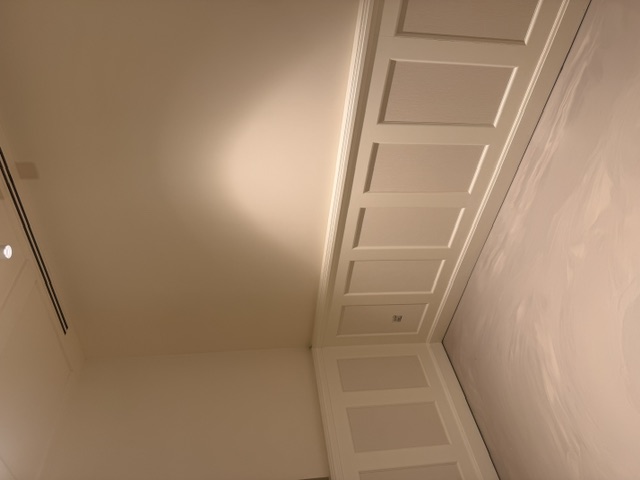
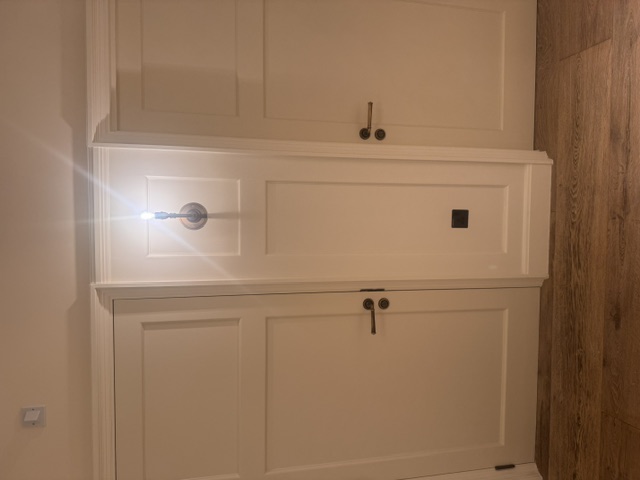
A fire door does not have to look like one. We veneer the leaf from the same bundle as the surrounding panelling, run the architrave as part of the wall detail, and set intumescent seals into rebates so they read as a shadow gap. On our Mayfair fit-out the FD30 and FD60 door sets sit inside high level panelling and are indistinguishable from the joinery around them.
What to hand over
Every door set should arrive with certification covering the tested configuration, an ironmongery schedule, and installation instructions. Ask for these at order stage — retro-fitting paperwork after a build is painful, and building control will ask.
Planning something similar?
Send us drawings or a description and we will come back with an indicative figure the same working day.
Start a project